where hope became a collective language
This is a story of collective hope, shared vulnerability, and the reminder that mental health belongs to everyone, not a few.
Mental health is not a separate chapter in life.
It is the quiet undercurrent that moves through every one of us. Whether we are parents, students, founders, caretakers, or holding a steady job, we all move through shifting emotions. Sometimes steady. Sometimes overwhelming. Always human.
What matters is not hiding those moments, but holding each other through them. Everyone needs support, and it is time we stop whispering about it and release the stigma around it.
It was freeing to see conversations about therapy, grief, and healing happening in the open. Without whispers. Without shame.
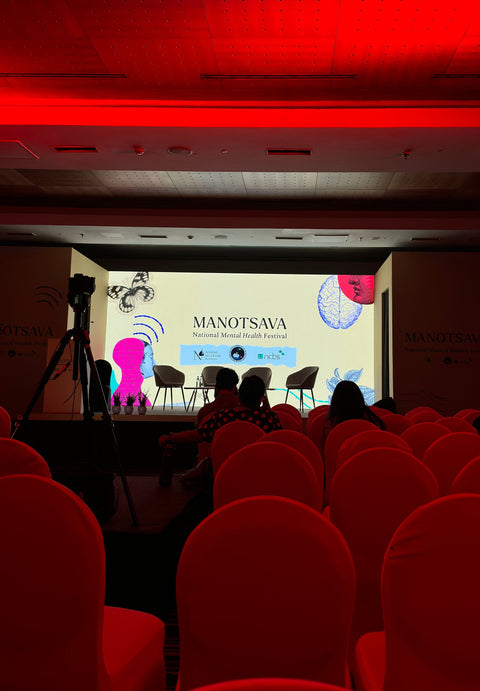
Finding Manotsava
Two weeks before the festival, an ad appeared on our feed announcing a national-level mental health gathering in Bengaluru. On instinct, we wrote to ask for a small stall space. The reply came quickly: “Stalls are already full.”
We registered anyway, trusting that if our work belonged there, the path would open.
What unfolded over the next two days felt deeply intentional.
Thoughtful volunteers. Clear navigation. Warm and well-designed spaces. It felt like someone had thought not only about logistics, but also about how people might feel while moving through the venue.
 Each corner held a different world.
Children exploring games and books. Elders reflecting on longevity and purpose. Panels on financial well-being, AI and chatbots in mental health, gender and identity. Workshops and holding circles for disability, trauma, sexual abuse, men’s healing, and couples rediscovering connection.
There was an interactive walk-through of the human brain.
There was also a thoughtful panel that opened up emerging research around psychedelics and mental health.
Among all this, one session - The Healing Power of the Human Voice by Dalal Abu Amneh, Prof. Richard J. Davidson from Healthy Minds and Swami, a beloved Bengaluru-based artist and percussionist.
Listening to them, we were amazed by how sound, vibration, and specific frequencies can support new emotional and neural patterns. And they always whispering to each other about sensations, memories, thoughts and emotions.
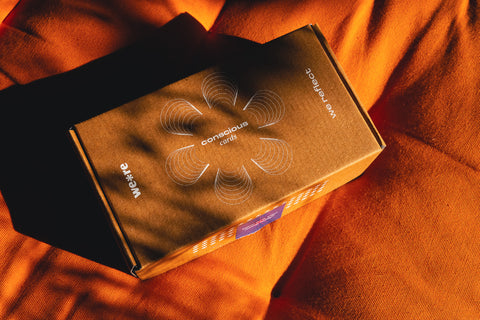
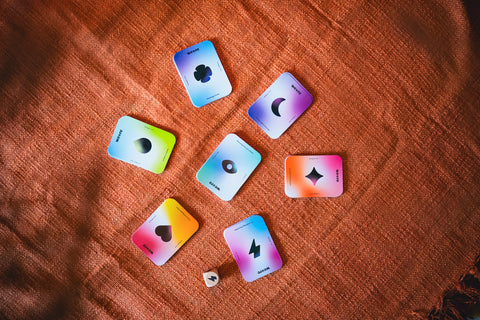
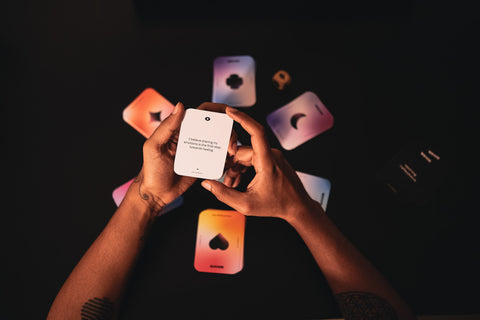
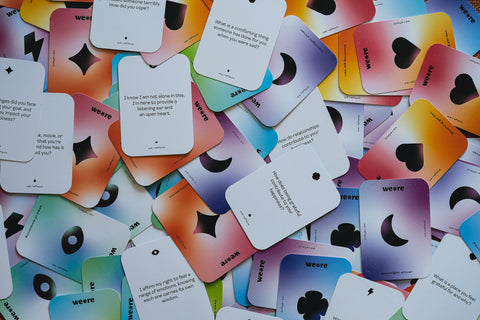
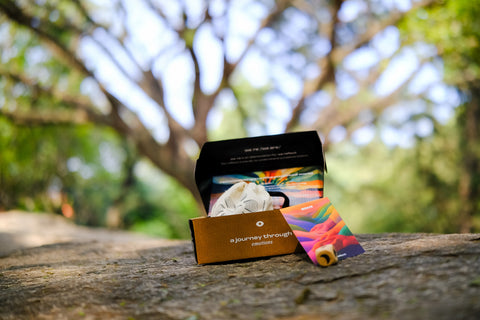
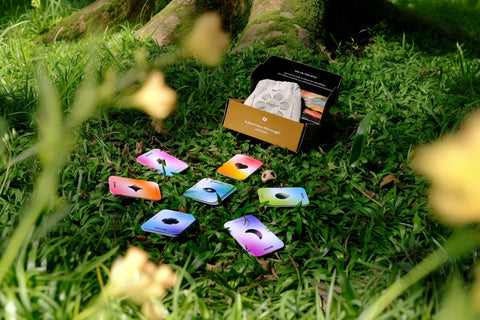
If sound can reach those subtle inner spaces, then tools like Conscious Cards feel like part of the same landscape. Different form, same intention. To help people meet themselves from within, through self discovery and reflection.
There was no single definition of healing at Manotsava. Only a shared spirit of openness.
When Rohini Nilekani said, “Hope is my new religion,” hope did not feel abstract anymore. It felt alive, sitting beside us, breathing quietly through every conversation.
A reminder we needed
As we continue building we✱re, many of our days are quiet. There is design, doubt, courage, slowness, questions and small steps that no one sees from the outside. Being at Manotsava felt the reassurance that we are exactly where we are meant to be.
So many people at the festival felt like they were sailing the same ocean - not racing toward a finish line, but witnessing the same golden sunrise from different boats, at their own pace.
Thank you, Manotsava team, for creating a space where every voice felt like it mattered. You reminded us that community care is not a luxury. It is a collective responsibility.
-team we✱re